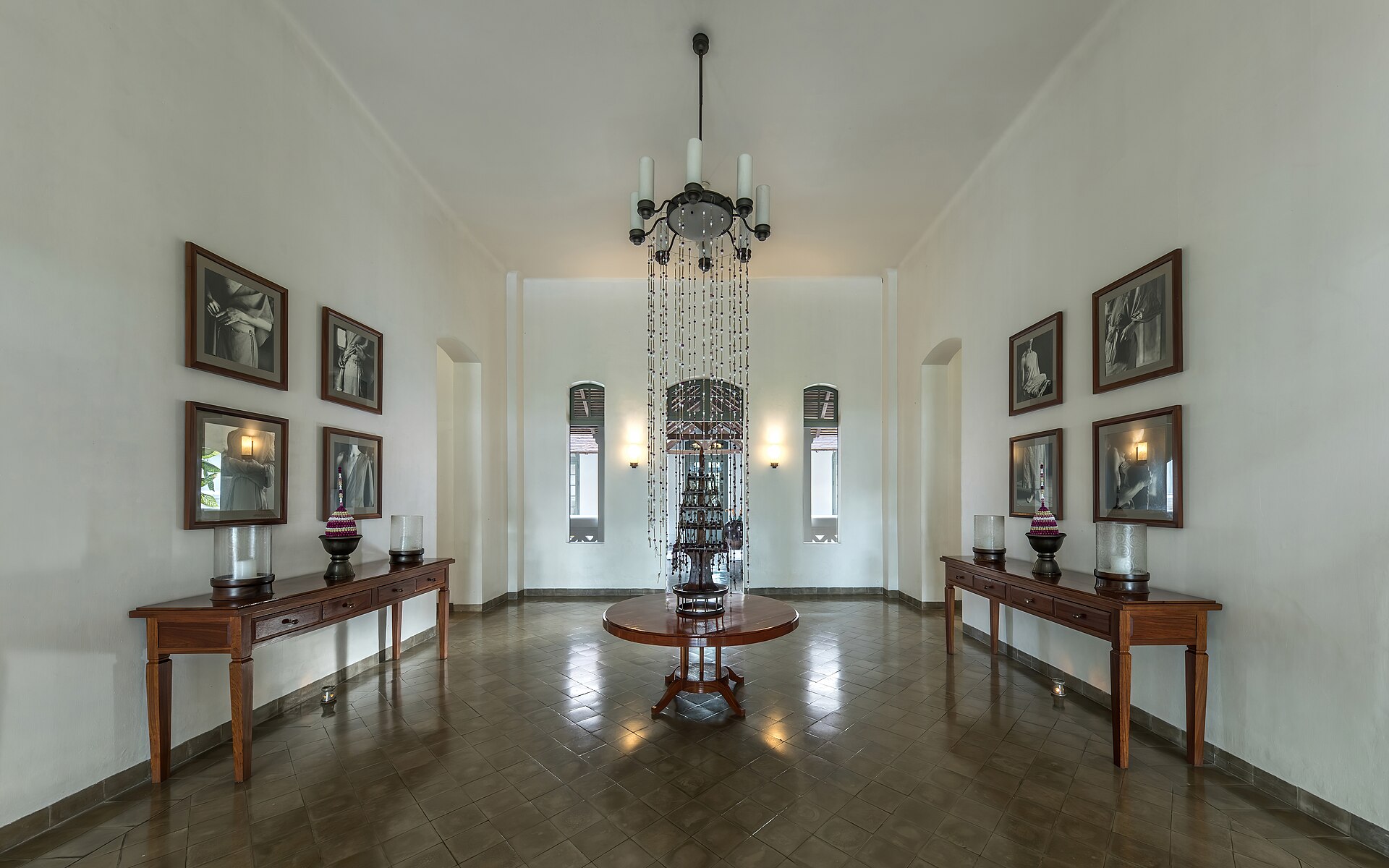
A large hotel chain can outspend an independent boutique property on nearly every dimension: bigger renovation budgets, dedicated in-house design teams, economies of scale on everything from furniture to signage. Despite that gap, small boutique hotels routinely win on design in ways guests genuinely notice and remember, and the reasons come down to a handful of advantages that have nothing to do with budget size.
Specificity Is Free; Chains Can't Afford It
A chain hotel brand has to work across dozens or hundreds of properties in different cities, which forces design decisions toward whatever works adequately everywhere rather than exceptionally anywhere specific. A boutique hotel only has to work in one real place, which means every design decision, color, material, even the specific angle of a reading lamp, can be tailored to that one actual building and its one actual context.
This specificity doesn't cost more than a generic chain approach. It simply requires paying attention to the real, particular property instead of defaulting to a template designed to be inoffensive across a hundred different markets — the same specificity-over-polish argument runs through what makes a hotel brand identity actually memorable.
A small property can also afford to revisit this specificity over time in a way a chain brand standard simply can't: if a particular design choice isn't landing with guests, an independent owner can adjust it directly, without routing the change through a corporate brand committee first. That ability to iterate quickly on something genuinely specific to the one property is itself a design advantage chains structurally can't match.
Fast Decision-Making Beats Committee Design
Chain hotel design decisions typically pass through multiple layers of brand approval, franchise requirements, and corporate sign-off, a process that tends to sand off distinctive choices in favor of safer, more universally approved ones. An independent boutique property, often with a single owner or a small team making decisions directly, can commit to a genuinely unusual color choice or an unconventional layout far more easily, because there's no multi-layered approval process to survive first.
This speed advantage shows up constantly: the small property that painted one wall an unexpectedly bold color, or kept an architecturally interesting original feature a chain's standard renovation playbook would have removed, usually got there because one person could simply decide, not because of a bigger budget — the same fast, direct decision-making is what makes coffee shops vs. co-working spaces such a flexible choice for independent freelancers too.
This advantage disappears quickly, though, the moment an independent property tries to imitate a corporate approval process out of a sense that it should be more "professional." The actual competitive edge comes specifically from keeping decisions close to the people who understand the property best, not from layering in unnecessary process that only slows everything down without adding the brand consistency a real chain gets in return for its own slower pace.
Story Does Work That Budget Can't Replace
A boutique hotel with a genuine, specific history, a building that used to be something else, a founder with an actual personal connection to the location, has design material a generic chain property simply doesn't have access to, no matter how much money gets spent. That real story can inform color choices, material choices, even the specific objects placed around the lobby, in a way that reads as authentic precisely because it is.
Chains sometimes try to manufacture this kind of story through "local market" design programs, but a fabricated local story rarely reads as convincingly as an independent property's actual, verifiable history, which is a structural advantage no marketing budget fully closes.
A useful test for whether a property's story is genuinely load-bearing in its design: ask whether a guest could verify the claim independently, an old photograph, a local historical record, a founder who's actually willing to talk about it in person. A story that only exists in marketing copy, with nothing a guest could check for themselves, tends to read as hollow no matter how well it's written.
Smaller Scale Means Design Can Reach Further Into the Details
A thirty-room boutique property can afford, in terms of sheer attention and coordination, to extend a design concept into details a three-hundred-room chain property simply can't manage at the same level of individual care: a specific, hand-selected object in every room, a genuinely unique piece of art per floor, small details that would require an unmanageable amount of sourcing and logistics at chain scale.
This isn't really a budget advantage, it's a scale advantage. The total cost of thirty carefully chosen objects is modest; the logistics of three hundred would be a different problem entirely, which is why chains default to identical furnishings across every room instead.
A small property can lean into this advantage deliberately by treating sourcing itself as part of the brand story, local makers, secondhand pieces with a real history, objects the owner personally selected rather than ordered from a catalog. Guests increasingly notice and value this kind of specificity, and it's one of the few design advantages that genuinely scales down rather than up, meaning the smaller the property, the easier it actually is to execute well.
Independent Properties Can Take Design Risks Chains Won't
A chain brand has to protect consistency across its entire portfolio, which makes it structurally risk-averse about any single property trying something genuinely unconventional, an unusual layout, an unexpected material pairing, a bold departure from the expected hospitality design language. An independent boutique hotel answers to nobody but its own guests and its own taste, which means it can take a design risk a chain's brand standards would simply forbid outright.
Not every risk pays off, but the properties that do win design attention and guest loyalty against much bigger competitors are almost always the ones that used this freedom deliberately, rather than trying to imitate chain-hotel safety on a smaller budget and inevitably losing that particular comparison — the same case for deliberate risk over safe consistency closes our case study roundup of boutique hotel rebrands.
The properties that get this balance right tend to take their real risks in a small number of deliberate places, one bold color, one unconventional layout, one unusual material choice, rather than spreading risk thin across every single decision. A design that's unconventional everywhere reads as chaotic; a design that's safe everywhere except one deliberate, well-executed risk reads as confident, and confidence is exactly what lets a small property compete credibly against a much bigger name.