Working away from a fixed desk changes what counts as essential gear. At home, a designer can rely on a second monitor, a full-size tablet, and a wired connection that never drops. On the road, every item has to earn its place in a single bag, and the workflow has to survive unpredictable Wi-Fi and unfamiliar desks that were never built with design work in mind.
The list below isn't about packing light for its own sake — it's about packing the right things so that a client deadline doesn't fall apart because a cable was left at home or a file wasn't backed up before a laptop got jostled in transit.
A Laptop That Can Actually Carry the Work
Not every laptop that runs design software travels well. Battery life matters more on the road than raw processing power, since outlets aren't always within reach on a train or in a shared workspace. A laptop with at least 8-10 hours of real battery life under design workloads, not just the manufacturer's idle-use estimate, removes a lot of daily stress.
Weight matters too, more than most people admit until they've carried a 3kg laptop through an airport for the third time in a month. A lighter machine with slightly less power usually beats a heavier one that never gets fully used because carrying it becomes a chore. A hard-shell sleeve, not just a padded one, is worth the extra bulk if the laptop is getting checked or thrown into an overhead bin regularly. A spare charging cable, kept in a separate pocket from the main one, is cheap insurance against a dead laptop on exactly the day a client is waiting on a file, a lesson most freelancers who regularly attend creative freelancer conferences learn the hard way at least once.
A Compact Drawing Tablet, Not the Big One
A full-size graphics tablet doesn't fit most travel setups, and a smaller one is usually enough for retouching, sketching concepts, and signing off on layouts. Look for one that connects over a single USB-C cable rather than needing a separate power adapter — one less thing to pack, one less thing to forget in a hotel drawer or a co-working locker.
If precision illustration work is a regular part of the job, a tablet with a built-in screen is worth the extra weight, but for most freelance design work — logo comps, layout adjustments, quick mockup sketches — a basic pen tablet covers it. A protective sleeve for the tablet itself, separate from the laptop sleeve, prevents the kind of scratched screen that happens when it rattles around loose in a bag.
Backup Habits That Don't Depend on Good Wi-Fi
Cloud backup is the obvious answer until you're on a train with no signal and a client needs a file in twenty minutes. A small portable SSD, backed up manually at the end of each work session, is the difference between losing a day of work and losing nothing when a connection drops or a laptop takes a fall.
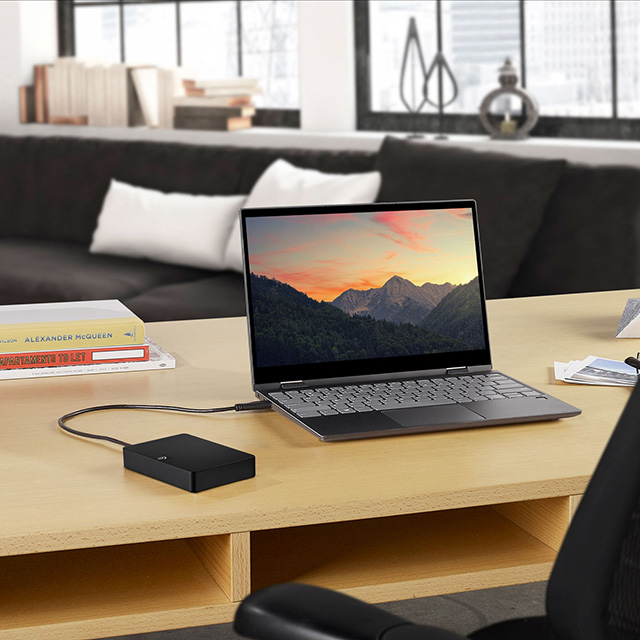
The habit matters more than the hardware: plug in, copy the active project folder, unplug. It takes under a minute and it's the one task that's easy to skip precisely because it rarely seems to matter — until the one time it does, usually right before a deadline.
For a longer look at building safety nets into a freelance business more broadly, not just around file backups, this piece on freelance safety nets covers the financial side of the same instinct.
Connectivity: Plan for the Wi-Fi That Isn't There
Public Wi-Fi is inconsistent at best, and some co-working spaces still throttle bandwidth during peak hours. A mobile hotspot with a local data plan, or a phone with reliable tethering, is worth the monthly cost if client calls or large file uploads are a regular part of the work. Losing an hour to a dead connection costs more than most data plans do in a month.
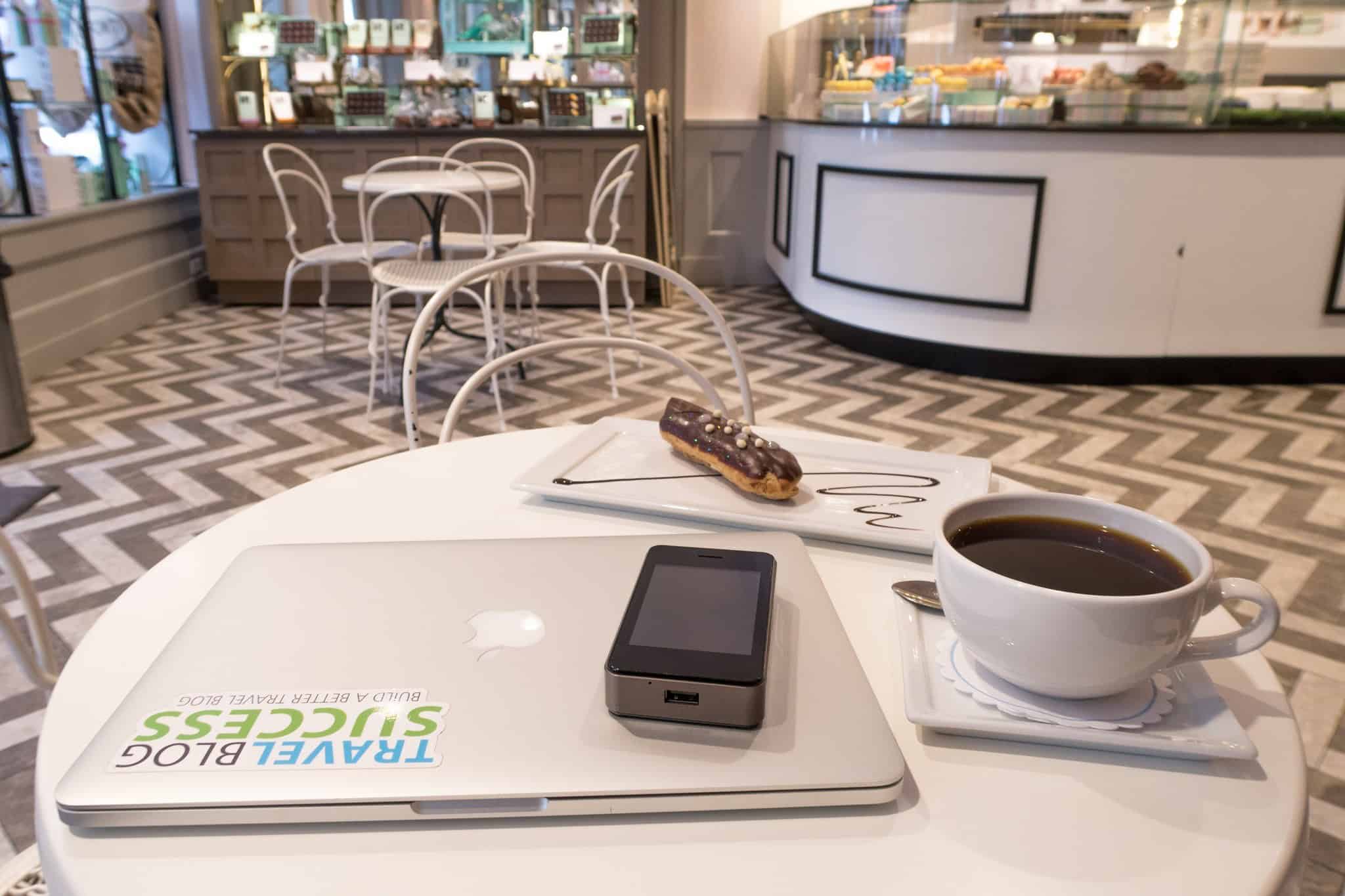
A VPN is worth running by default on any public network, not just for security theater — client files and account logins are genuinely more exposed on an open café network than most people assume, and the cost of a VPN subscription is small compared to the cost of a compromised client account.
Peripherals That Earn Their Weight
A compact mechanical keyboard and a small travel mouse sound like minor additions, but typing on a laptop's built-in keyboard for a full day of client emails and revision notes takes a real toll compared to a proper key feel. Folding keyboards exist, but a basic 60% layout keyboard, which skips the number pad entirely, usually packs almost as flat while staying far more comfortable to type on for hours.
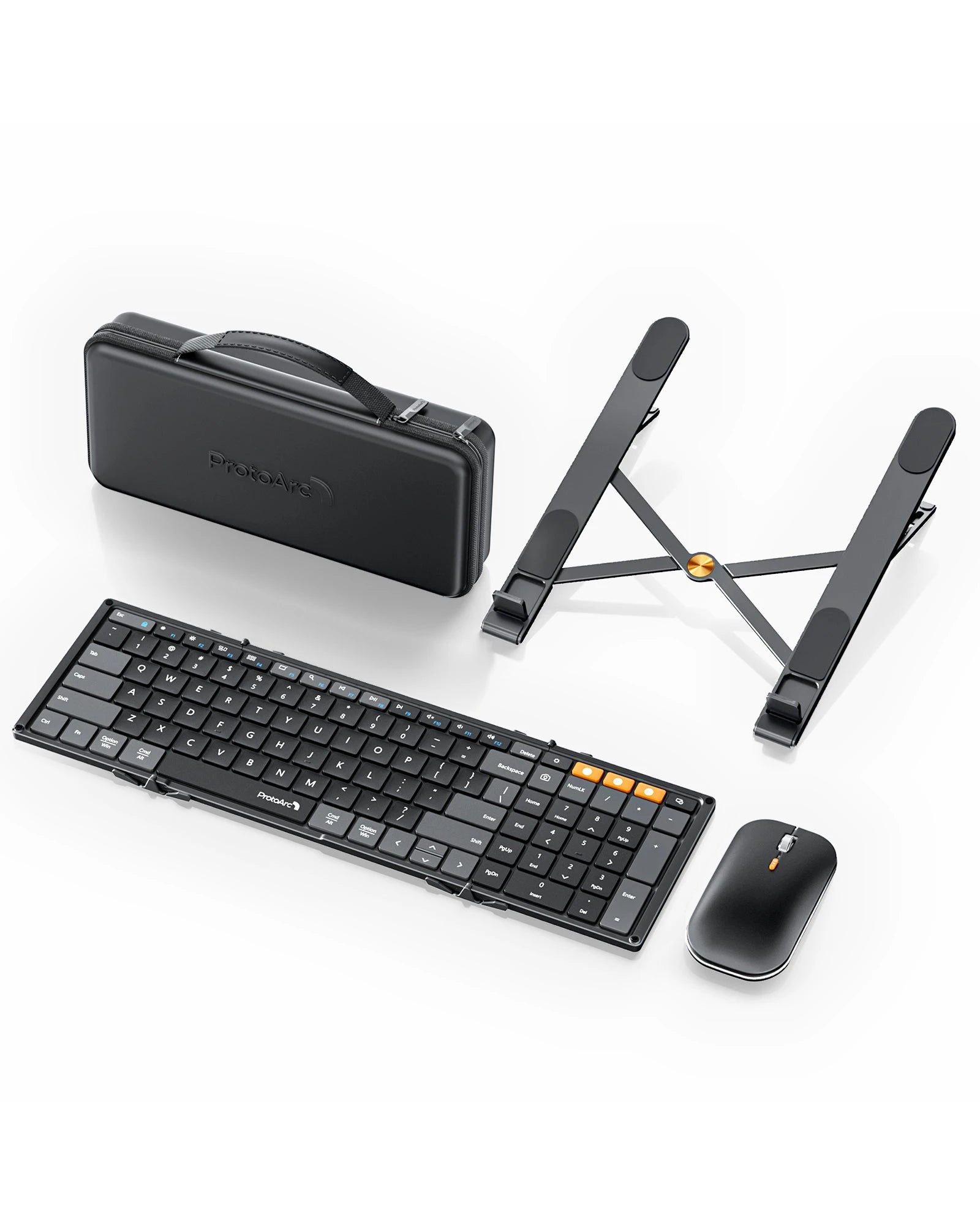
A cable organizer pouch — even a simple zippered case — keeps chargers, the tablet cable, and a spare USB drive from turning into a tangled mess at the bottom of a bag. It's a small thing, but digging through a knot of cables in a shared co-working space while a client is waiting on a call is a specific, avoidable kind of stress. Following other freelance creatives who travel for work is also a reliable way to pick up small gear recommendations that don't show up in general packing guides.
A Short Packing List That Covers Most Trips
| Item | Why it matters |
|---|---|
| Laptop + charger | Pack the charger separately so it isn't forgotten with the laptop sleeve |
| Compact drawing tablet | Covers most retouching and layout work without the bulk of a full-size pad |
| Portable SSD | Manual backup when cloud sync isn't reliable |
| Noise-cancelling headphones | Client calls and focus work in noisy environments |
| Mobile hotspot or tethering plan | Backup connectivity when public Wi-Fi fails |
| Universal power adapter | Covers outlet types across different countries |
Frequently Asked Questions
Do I need a tablet with a built-in screen for travel work?
Only if illustration or detailed retouching is a core part of the job. For most layout and logo work, a basic pen tablet is lighter and just as functional.
How much battery life should a travel laptop have?
Aim for at least 8 hours under real design workloads, not the manufacturer's advertised number, which usually assumes lighter use.
Is a VPN really necessary for freelance design work?
It's a reasonable precaution any time client files or account credentials are accessed over public Wi-Fi, which happens more often than most freelancers plan for.
What's the single most important backup habit on the road?
A manual end-of-session copy to a portable drive, since it doesn't depend on having a stable internet connection.