The same desk, the same view, and the same four walls for months at a time can flatten creative output in ways that are hard to notice from the inside. A change of scenery doesn't fix a bad brief or a difficult client, but it does something more specific: it interrupts the mental autopilot that builds up in a familiar environment.
This isn't an argument for constant travel or an unstable work setup. It's about recognizing when a change of environment is actually the tool a particular creative block calls for, rather than reaching for it randomly or avoiding it out of habit. The sections below walk through why this effect happens, how to match it to the actual problem, and how to tell, honestly and without much self-deception, when it's genuinely helping rather than quietly becoming a comfortable distraction of its own that delays the real, unfinished work even further.
Why Familiar Environments Flatten Creative Thinking
The brain conserves energy by automating responses to familiar surroundings, which is efficient for routine tasks but works against the kind of associative thinking that design work often needs. Sitting at the same desk, looking at the same wall, day after day, can make it harder to see a layout or concept with fresh eyes, simply because the environment itself has become background noise.
This effect compounds over long stretches without a break in environment, which is part of why a short trip or even a half-day working from an unfamiliar café can produce a disproportionate jump in fresh ideas relative to its length. This look at what Fight Club teaches us about freelancing makes a similar point about the danger of letting routine calcify into autopilot.
Matching the Change to the Problem
Not every creative block calls for the same kind of environmental change. A stuck logo concept might benefit from a quiet, visually different space with new reference material nearby — a library, a gallery, a different neighborhood entirely. A motivation slump, by contrast, often responds better to a more social environment, like a co-working space, where ambient productivity from other people provides a kind of passive momentum.
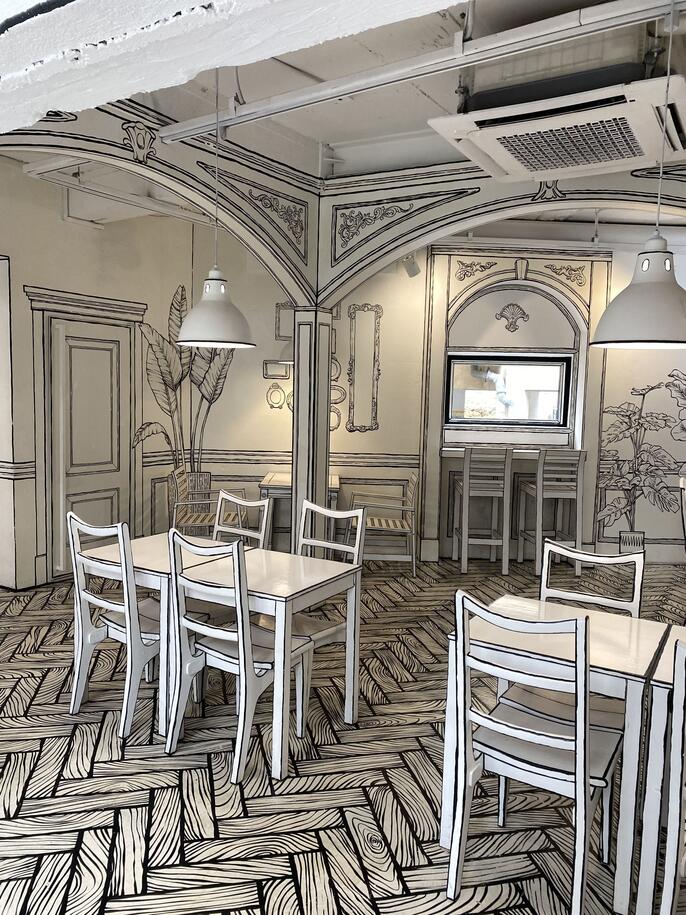
Being specific about which kind of block is actually happening makes the choice of new environment far more effective than simply picking somewhere different at random and hoping it helps.
Short Changes Work Better Than People Expect
A full relocation isn't necessary to get the benefit — even a few hours in an unfamiliar room produces a measurable shift in how fresh a familiar problem feels. Freelancers who travel occasionally for client work often notice this without naming it directly: ideas that felt stuck at home suddenly move again in an unfamiliar room or a different part of town.
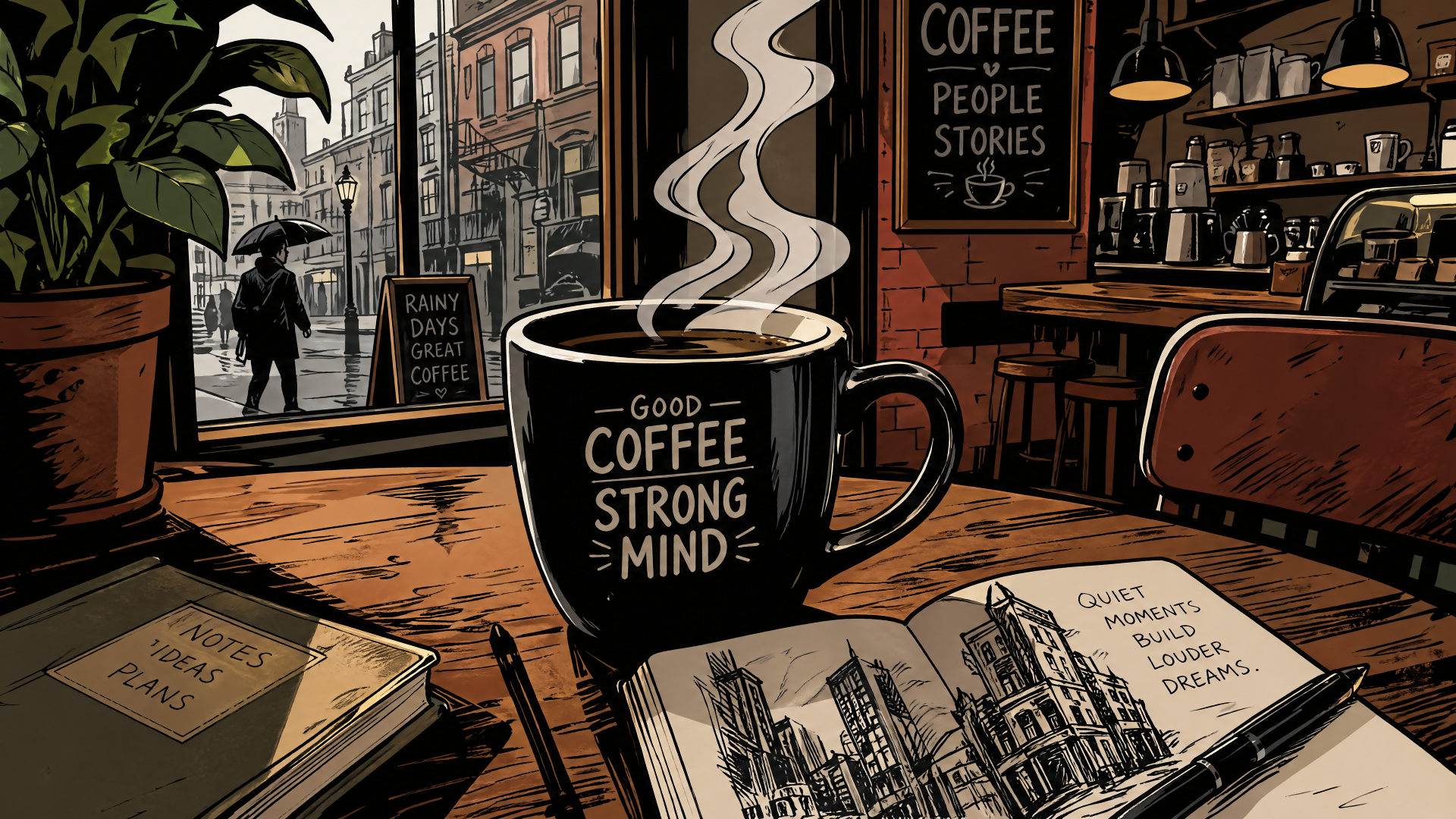
This is worth using deliberately rather than waiting for travel to happen by chance. A deliberate half-day at a different location, timed specifically around a stuck project, is a reasonable creative tool, not an indulgence, and it costs little more than the time it takes to pack a bag.
The Risk of Using It as Avoidance
Changing environment can also become a way of avoiding a problem rather than solving it, especially when it turns into a pattern of constantly seeking new scenery instead of sitting with a genuinely difficult brief. The distinction is whether the change is followed by renewed focus on the actual work, or by another search for the next new environment.
A useful check: if a change of scenery hasn't produced forward movement on the stuck project within the same session, the block likely isn't an environment problem, and a different approach — stepping back from the brief entirely, or getting outside feedback — is probably more useful than another new location. More general reflections on the freelance creative process cover other angles on getting unstuck beyond a change of scenery alone.
Documenting Ideas Before the Scenery Changes Again
A burst of fresh thinking from a change of environment doesn't always survive the trip back to the usual desk, which is why capturing it on the spot matters more than trusting memory to carry it home intact. A quick voice note, a rough sketch, or even a few typed bullet points taken in the new environment itself preserves more of the actual idea than a mental note does.
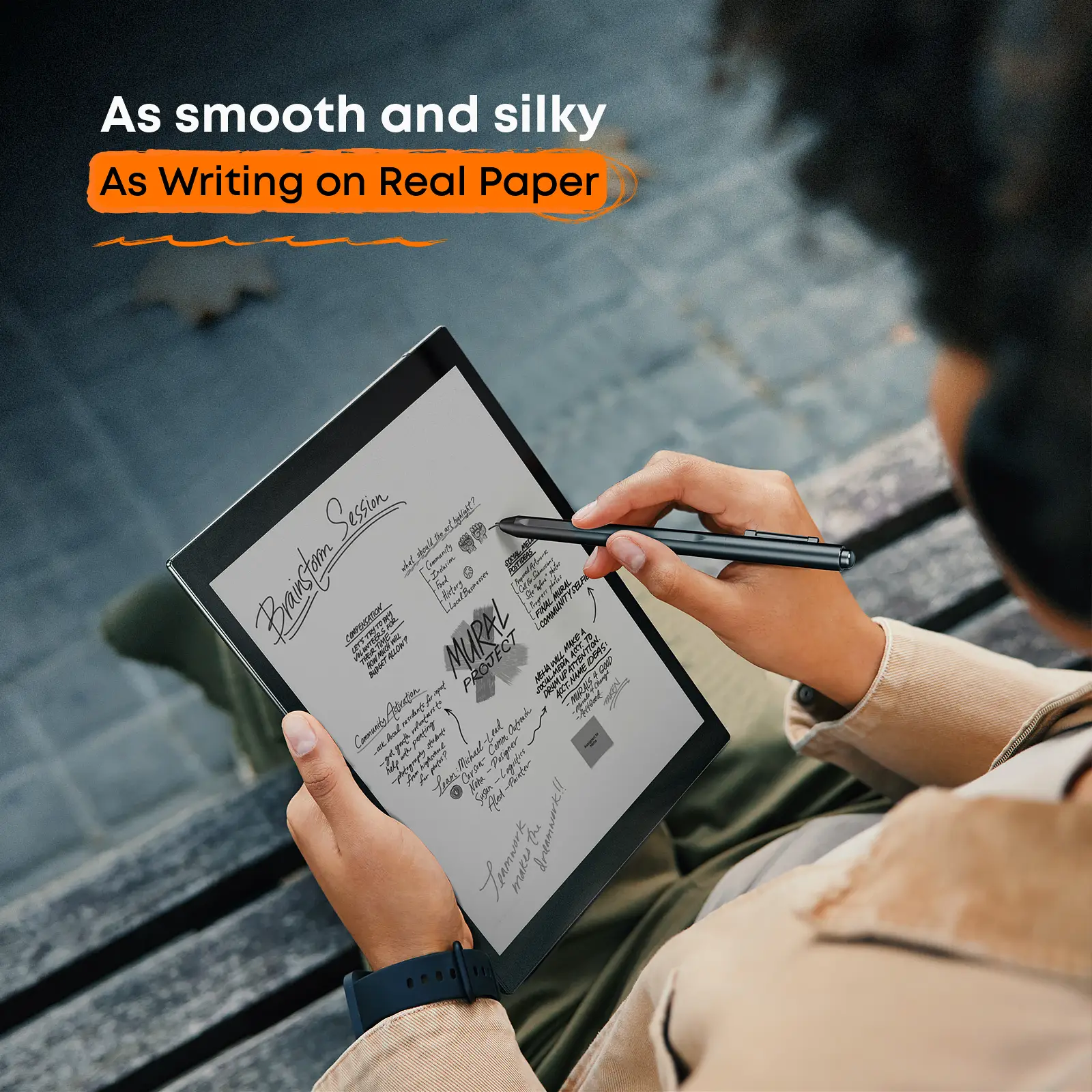
This habit matters even more for freelancers who travel for client work regularly, where a useful idea from a hotel lobby or an airport layover is easy to lose by the time a proper desk is available again. Danny Outlaw's own account of working from Costa Rica is a reminder that some of the better working habits come directly from time spent away from a fixed desk.
Frequently Asked Questions
How often should I change my work environment to stay creative?
There's no fixed schedule — it works best as a deliberate response to a specific creative block, rather than a routine change for its own sake.
Does working from home permanently hurt creative output?
Not inherently, but long stretches without any environmental variation can make it harder to approach familiar problems with fresh perspective.
What kind of environment works best for a creative block versus a motivation problem?
A quiet, visually different space tends to help with creative blocks, while a more social environment like a co-working space often helps more with motivation slumps.
How do I know if changing scenery is helping or just avoiding the work?
If the change leads to renewed focus on the actual project within the same session, it's working. If it just leads to searching for another new location, it's likely avoidance.