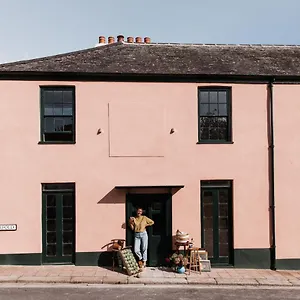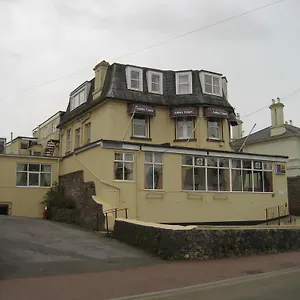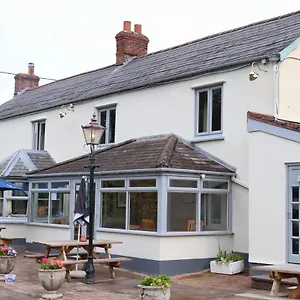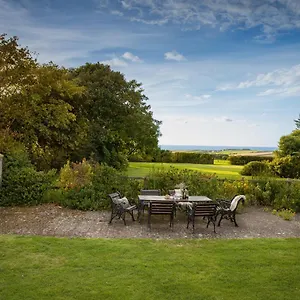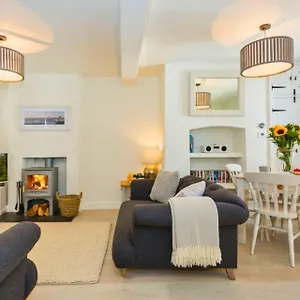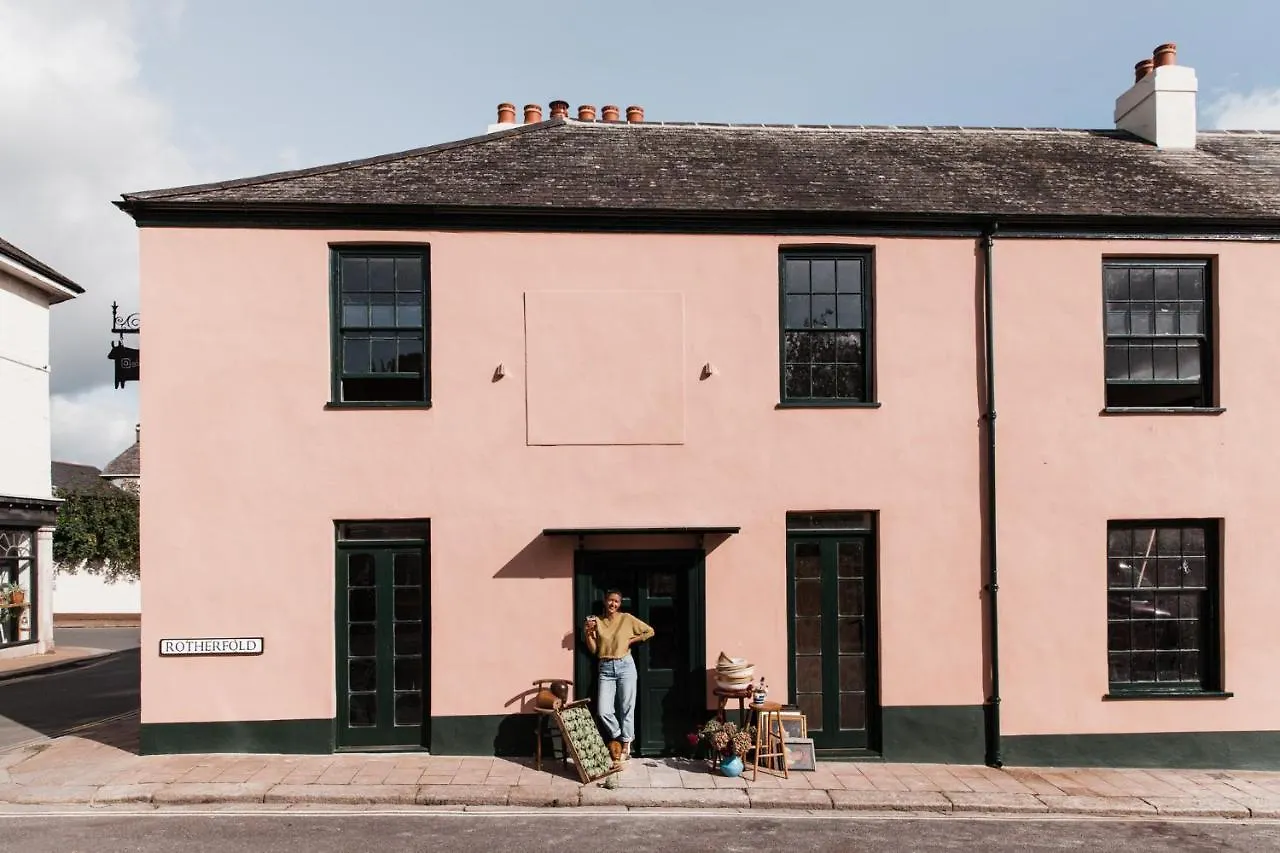
Devon is one of England's most rewarding leisure destinations, offering everything from surf beaches along the North Devon coast to the calm estuaries of the South Hams. Whether you're planning a self-catering cottage break in Croyde, a seafront stay in Torquay, or a countryside inn retreat near Tiverton, this guide covers six carefully selected leisure hotels across Devon - with honest assessments to help you book with confidence.
What It's Like Staying in Devon
Devon spans two coastlines - the rugged Atlantic-facing North Devon coast and the calmer English Channel shoreline of Torbay and the South Hams - making it one of the UK's most geographically varied leisure destinations. Transport within Devon is car-dependent: rural roads between coastal villages can be single-track, and journey times are frequently longer than maps suggest. Most visitors arrive by car or via train to Exeter, Totnes, or Torquay, then rely on local transport or driving for day trips. Devon's peak summer season draws significant crowds to its beach towns, particularly Croyde, Woolacombe, and Torquay, but the shoulder months of May and September offer far quieter conditions with largely unchanged scenery.
Pros:
- Two contrasting coastlines within the same county - surf beaches in the north, sheltered coves in the south
- Exceptional variety of accommodation types, from working inns in market towns to coastal cottages with sea views
- Strong food and drink culture, with locally sourced seafood, Devon cream teas, and independent gastropubs throughout
Cons:
- Road connectivity is slow - rural lanes and seasonal traffic can add around 40% to expected journey times
- Public transport between smaller towns and villages is limited, making a car near-essential for most leisure itineraries
- Peak-season pricing in beach-adjacent areas rises steeply from late July through August, reducing value considerably
Why Choose Leisure Hotels in Devon
Leisure accommodation in Devon spans a wide spectrum - from budget-friendly hostels in coastal towns to 5-star self-catering cottages with private hot tubs and sea views. Unlike city hotel markets, Devon's leisure properties are heavily oriented around outdoor access: proximity to beaches, walking trails, and cycling routes often matters more than proximity to a town centre. Self-catering cottages and rural inns dominate the mid-range and premium segments, offering more space and flexibility than standard hotel rooms. Families in particular benefit from this format, as properties with gardens, full kitchens, and on-site parking are common at prices that undercut equivalent hotel room rates. Budget travellers, meanwhile, can access the county's best surf beaches by staying at well-located hostels - typically at around a third of the cost of a B&B in the same area.
Pros:
- Outdoor-focused amenities - gardens, terraces, hot tubs, and beach access - are standard features in the leisure segment
- Self-catering options provide full kitchens and multi-bedroom layouts, offering genuine value for families or groups
- Many leisure properties include free private parking, removing a significant hidden cost common in UK seaside towns
Cons:
- Premium coastal cottages book out months in advance for summer, requiring early planning especially for July and August
- Leisure-oriented properties outside towns often lack on-site dining, placing full reliance on nearby pubs or self-catering
- Seasonal outdoor facilities such as outdoor pools and barbecue areas may be unavailable outside the May-September window
Practical Booking & Area Strategy for Devon
Devon's geography means that choosing where to base yourself has a direct impact on what you can realistically do each day. Torquay is the most accessible base on the south coast, with a railway station under a mile from the town centre and easy access to Babbacombe, Paignton, and Dartmoor. Totnes is better placed for visitors focused on the Dart Valley, South Hams, and Dartmoor's eastern edges, while Ilfracombe and Croyde serve the North Devon surf and walking scene - though these require a car for most excursions. Inland locations like Culmstock sit close to the Blackdown Hills AONB and the M5 corridor, making them practical for travellers splitting time between Devon and Somerset. Book at least 8 weeks ahead for coastal properties in July and August - popular self-catering cottages and small inns near the beach fill quickly. Key attractions including the Jurassic Coast, Dartmoor National Park, RHS Garden Rosemoor, and Watermouth Castle are all within reach of the properties in this guide, provided you have access to a car.
Best Value Leisure Stays in Devon
These properties offer strong leisure credentials at accessible price points - well-positioned for outdoor activities, with practical amenities and honest value across Devon's key coastal and countryside locations.
-
1. The Bull Inn
Show on map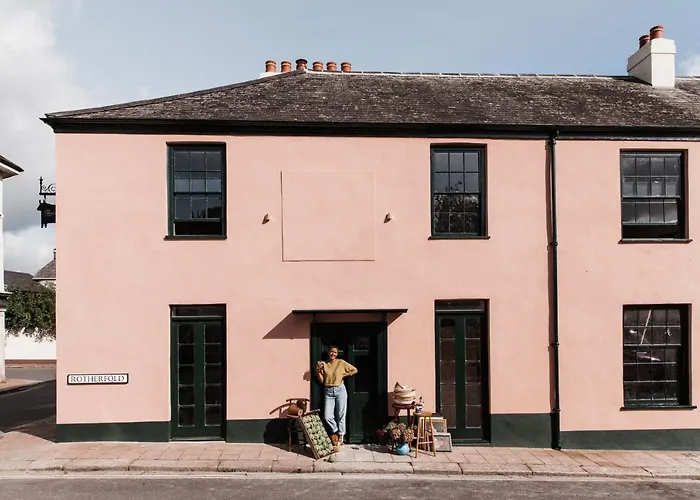
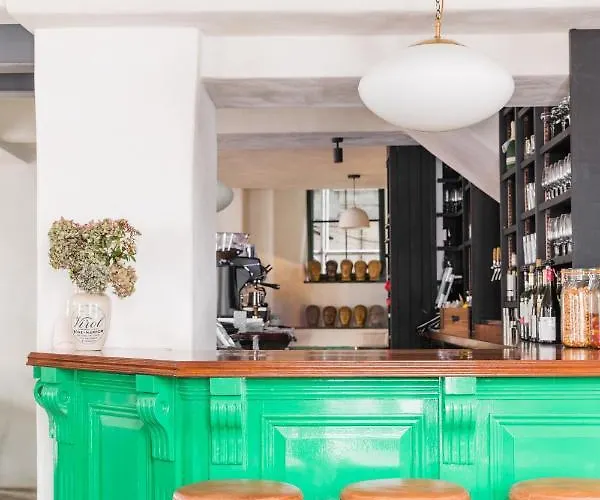
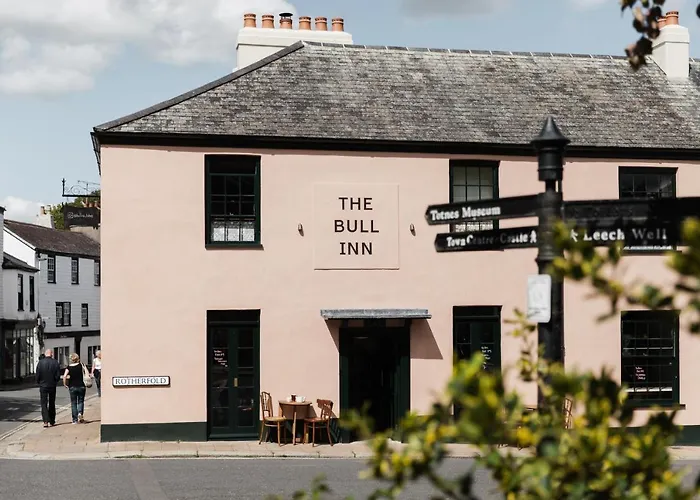
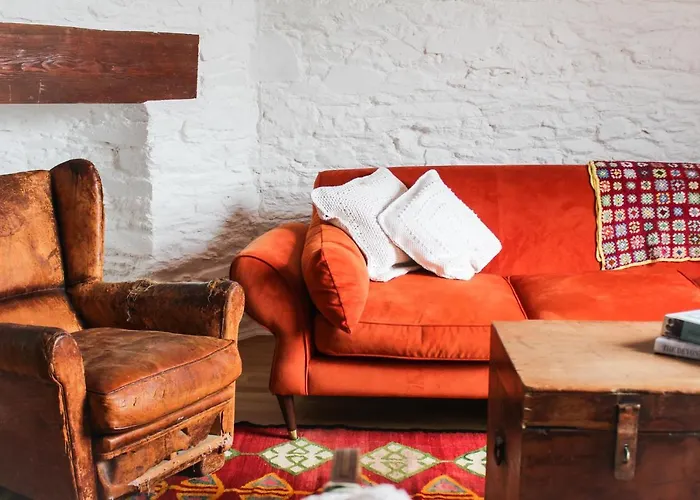
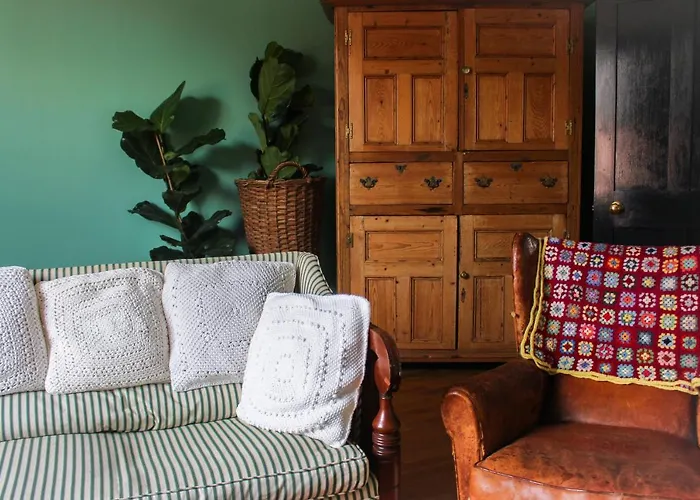 Check-infrom 15:00 until 22:00Check-outfrom 08:00 until 11:00
Just a few rooms left at the best rate!
from£ 147
-
2. Ashley Court Hotel
Show on map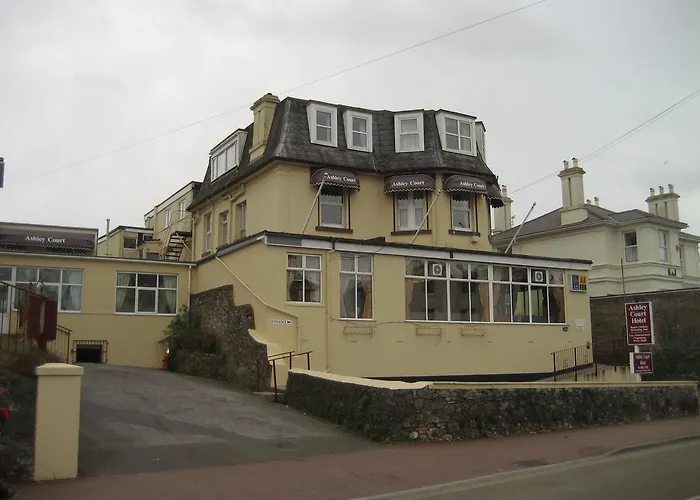
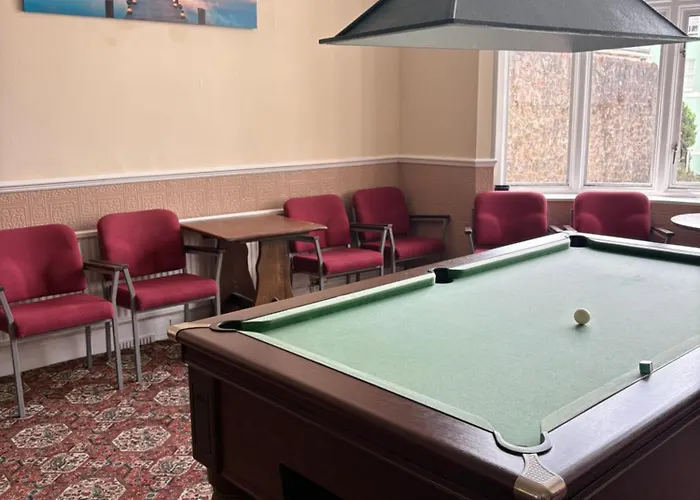
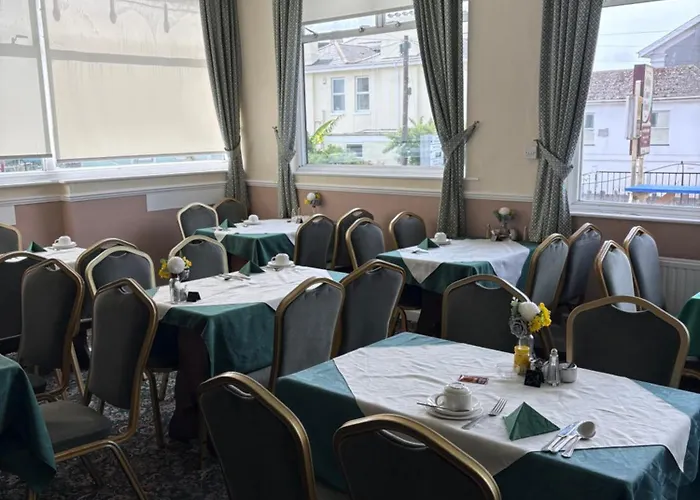
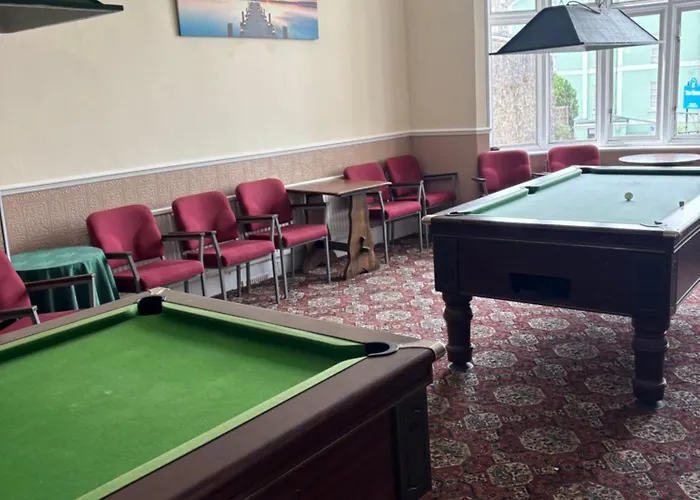
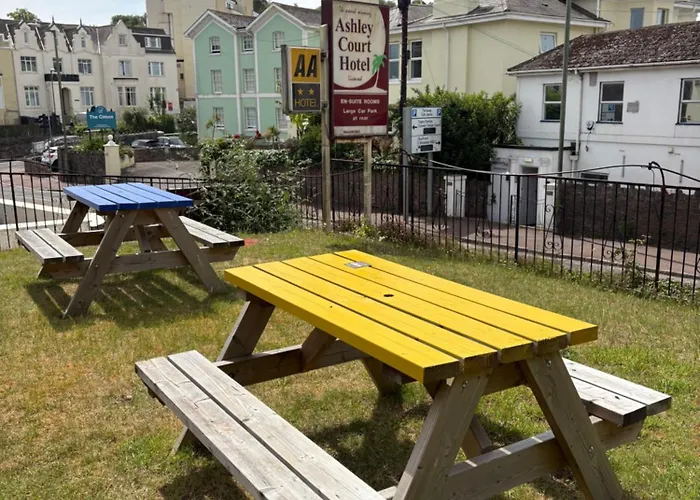 Check-infrom 14:00 until 22:30Check-outuntil 10:00
Just a few rooms left at the best rate!
from£ 24
-
3. Ocean Backpackers Self-Catering Hostel
Show on map
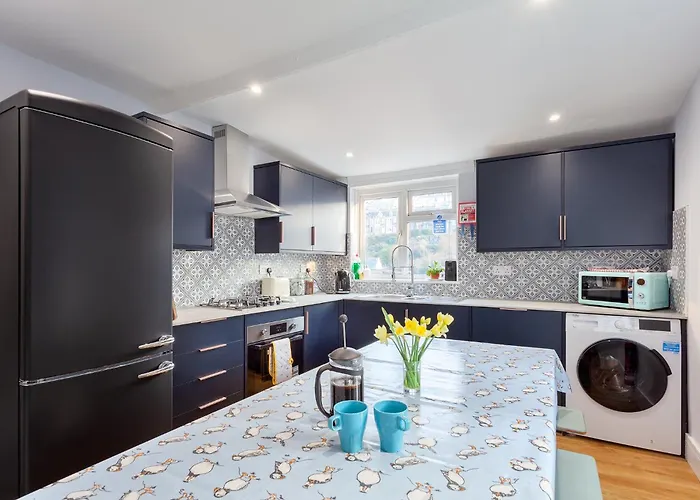
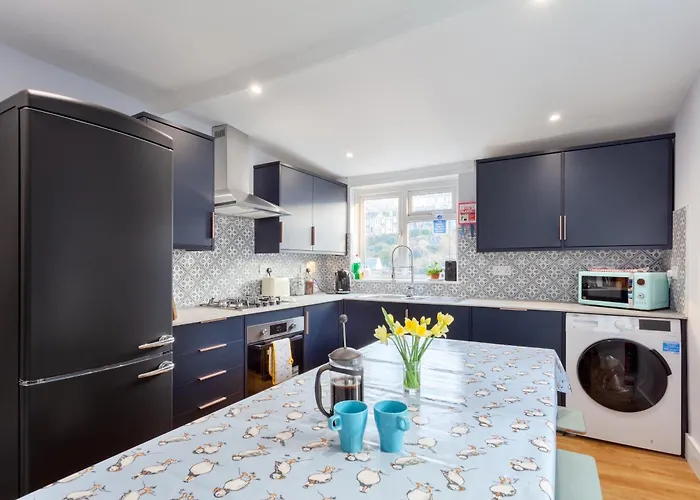
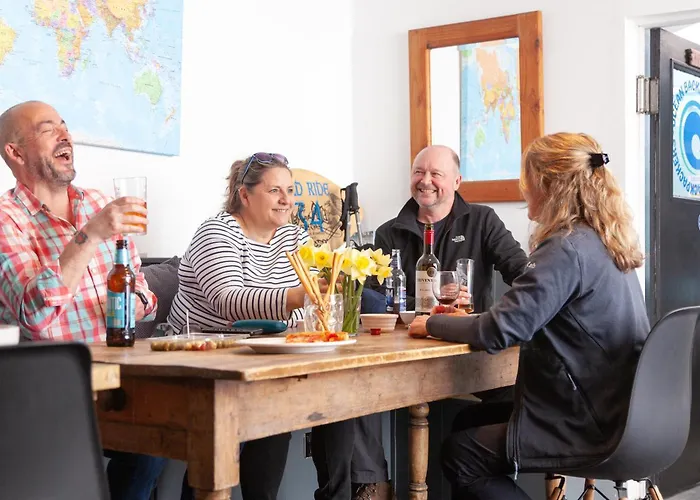
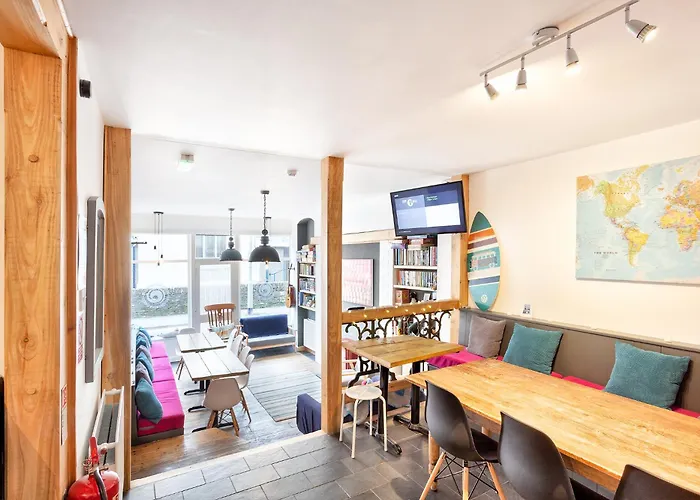 Check-infrom 16:00 until 19:00Check-outfrom 07:00 until 10:00
Hurry – almost gone at this price!
from£ 43
-
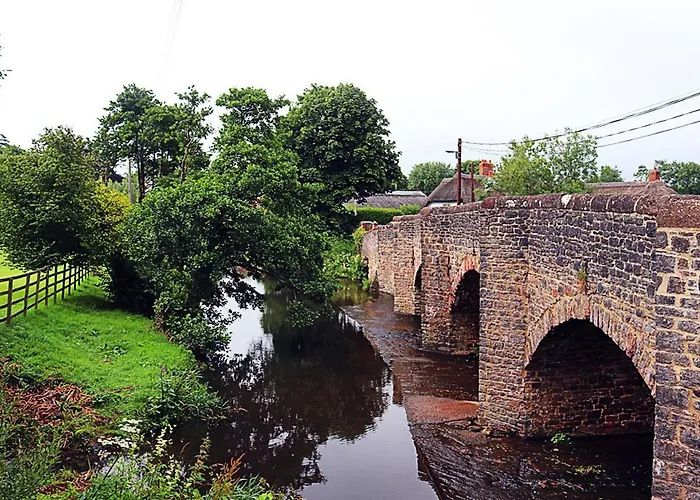
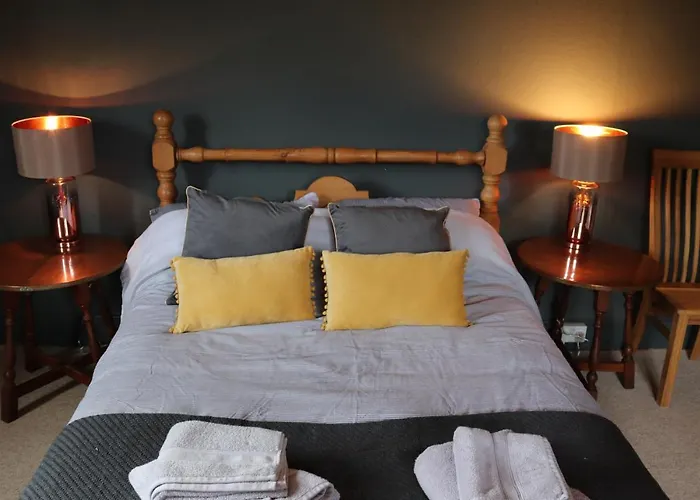
4. Culm Valley Inn
Show on map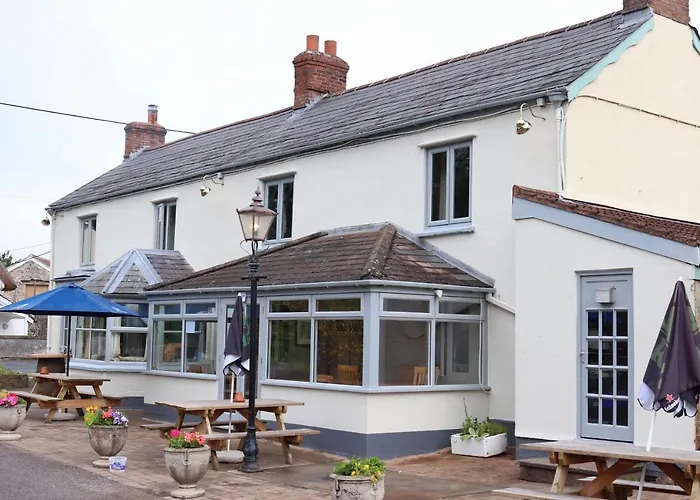
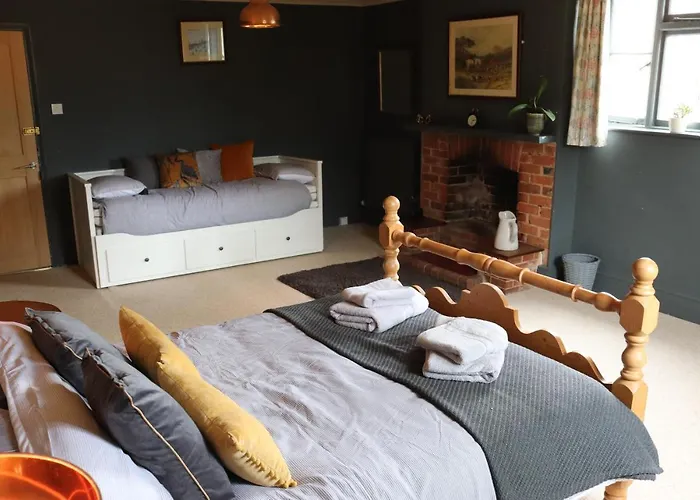
 Check-infrom 16:30 until 22:00Check-outfrom 07:00 until 11:00
Hurry – almost gone at this price!
from£ 69
Best Premium Leisure Stays in Devon
These properties offer the highest specification leisure experience in the selection - with private outdoor spaces, sea views, and facilities that justify a higher nightly rate for those prioritising comfort and exclusivity.
-
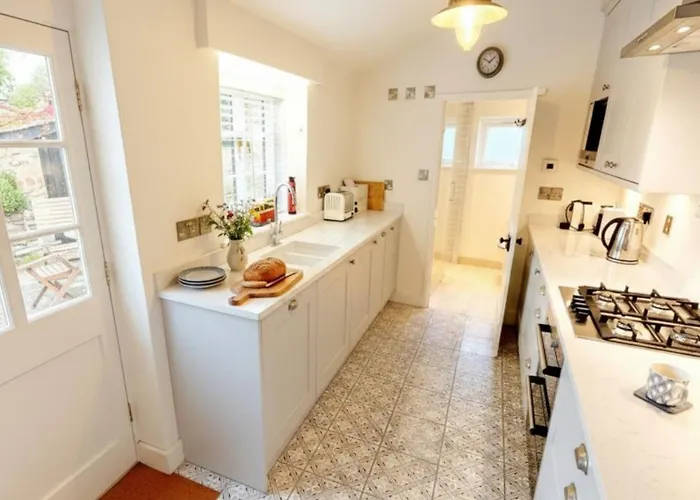
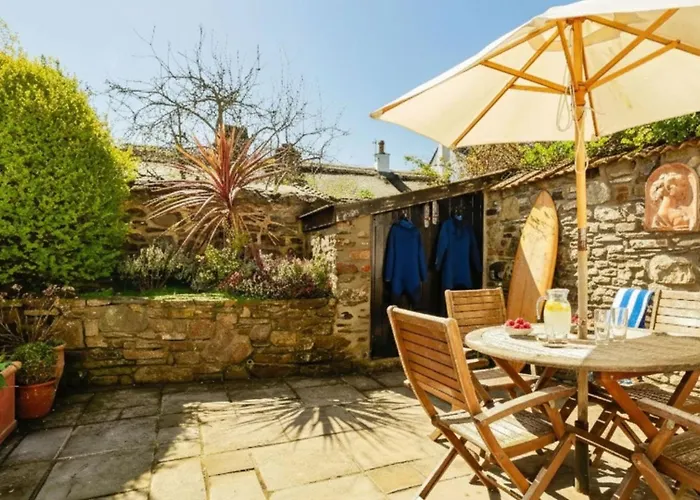
5. Croyde Victoria Cottage 2 Bedrooms
Show on map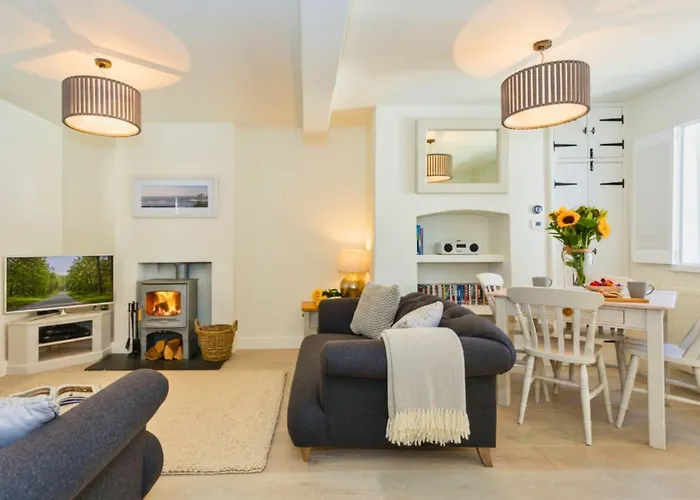
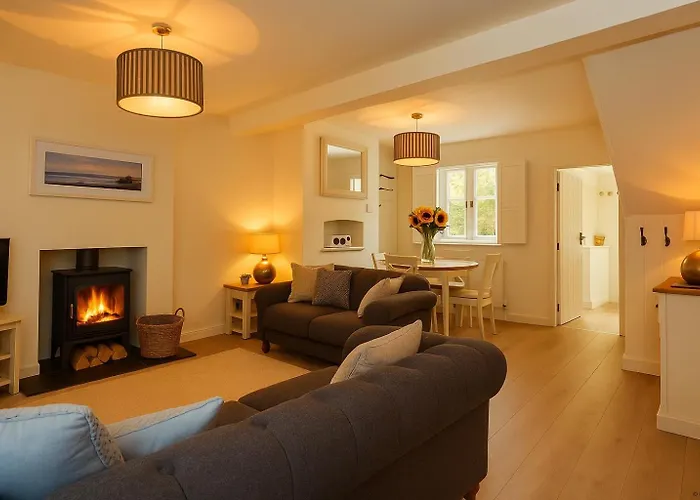
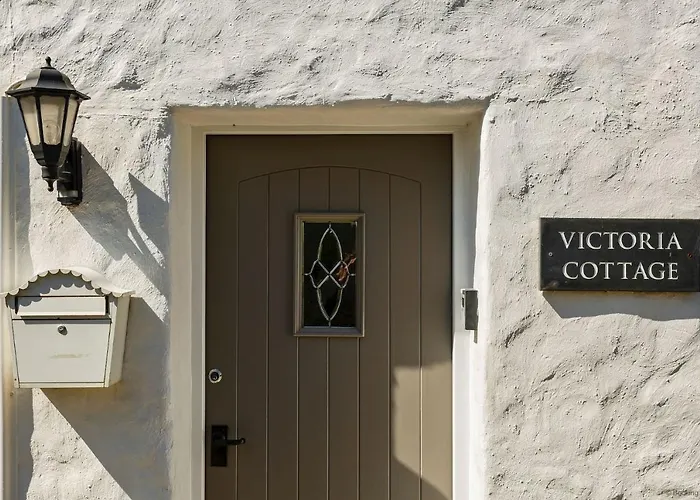 Check-infrom 16:00 until 22:00Check-outfrom 06:00 until 10:00
Rooms filling fast – secure the best rate!
from£ 393
-
6. Downe Cottages
Show on map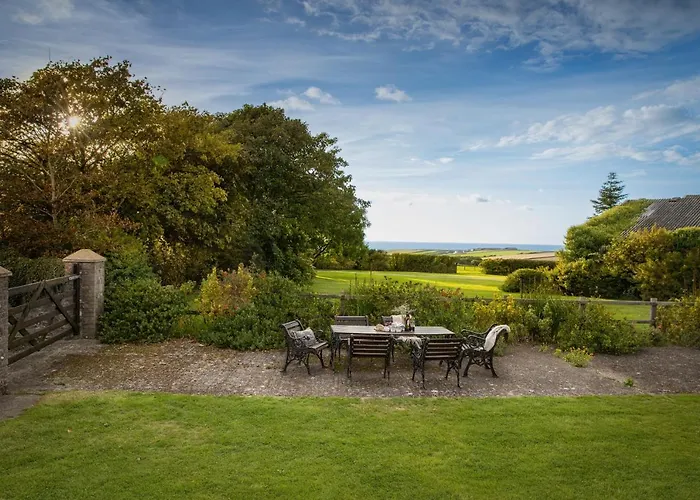
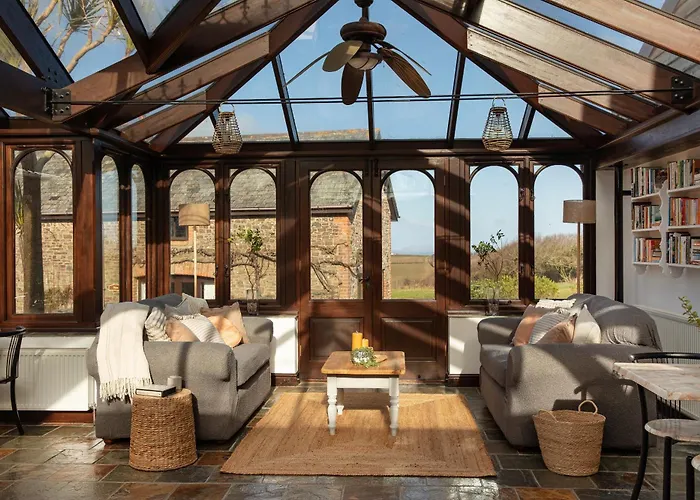
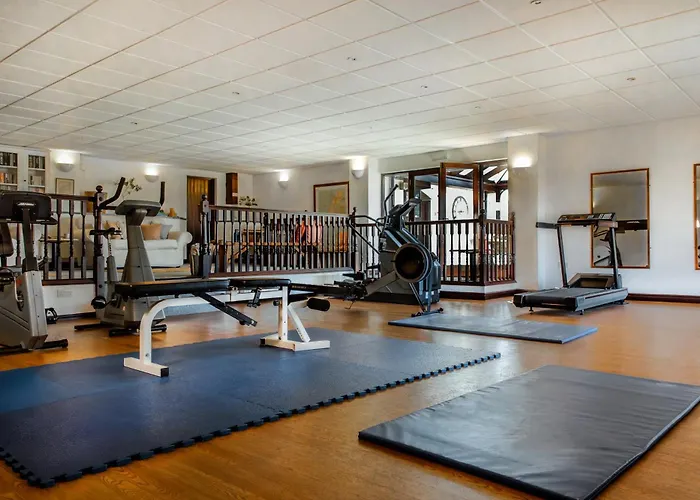
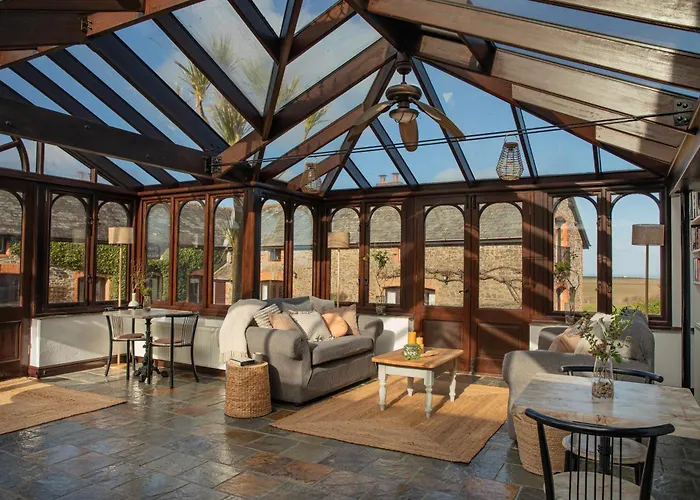
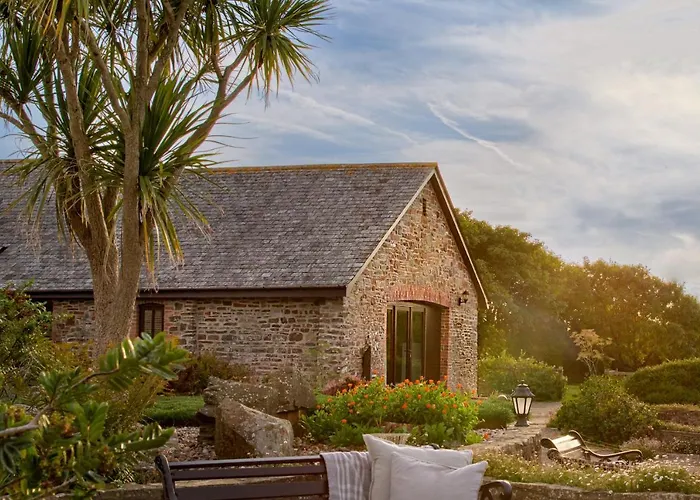 Check-infrom 16:00 until 23:59Check-outuntil 10:00
Rooms filling fast – secure the best rate!
from£ 139
Smart Travel & Timing Advice for Devon
Devon's leisure season runs from Easter through mid-October, but the dynamics shift significantly within that window. July and August are the busiest months - coastal towns like Croyde, Torquay, and Ilfracombe see visitor numbers spike sharply, accommodation prices rise by around 50% compared to May rates, and traffic on the A361 North Devon Link Road and A38 into South Devon can extend journey times considerably. Late May and September offer the strongest value window - weather remains reliable, the sea temperature is acceptable for swimming, and prices drop without any meaningful sacrifice in experience. For self-catering cottages like Croyde Victoria Cottage or Downe Cottages, booking 3 to 4 months in advance for peak summer is not cautious - it is necessary, as popular properties fill by February for August weeks. A minimum stay of 3 nights is typically required at self-catering properties during peak season, while inns and hotels like The Bull Inn and Ashley Court Hotel are more flexible with two-night weekend bookings. Winter stays in mid-Devon (October-February) suit walkers targeting Dartmoor and the Blackdown Hills, with Culm Valley Inn and The Bull Inn remaining open and offering genuine off-season value.