Dublin City Centre is one of Ireland's most walkable urban cores, with Georgian streets, historic pubs, and cultural landmarks packed into a compact grid. Staying here means direct access to Trinity College, Grafton Street, and the Liffey - without relying on public transport for most sightseeing. This guide breaks down what beach-themed hotel stays look like in this district, where to book strategically, and which property delivers the best value for your trip.
What It's Like Staying In Dublin City Centre
Dublin City Centre is dense, walkable, and loud at weekends - most major landmarks sit within a 20-minute walk of each other, which makes it genuinely car-free for most visitors. The area around St. Stephen's Green and Grafton Street stays busy until midnight on Fridays and Saturdays, so light sleepers should prioritise rooms above the third floor or on quieter side streets. Temple Bar crowds thin out significantly by Sunday morning, which is when the neighbourhood feels most navigable on foot. Staying here removes the need for a Luas or bus pass for sightseeing, but it does mean accepting street noise and tourist-density pricing as part of the deal.
Pros:
- Walking distance to Trinity College, Dublin Castle, St. Stephen's Green, and Grafton Street - no public transport required for most attractions
- Concentrated dining and nightlife options within 500 metres of most central hotels
- Strong transport connectivity: Luas Red and Green lines, multiple Dublin Bus routes, and direct airport links from the city core
Cons:
- Weekend noise from Temple Bar and Grafton Street can disrupt sleep, especially in lower-floor rooms
- Hotel prices in Dublin City Centre run around 30% higher than equivalent accommodation in outer suburbs like Drumcondra or Rathmines
- Parking is expensive and largely impractical - the area suits public transport or foot travellers, not drivers
Why Choose a Beach-Themed Hotel In Dublin City Centre
Beach hotels in Dublin City Centre don't sit on a coastline - instead, they bring coastal and resort-inspired aesthetics into an urban setting, typically offering relaxed interiors, warm colour palettes, and a less corporate atmosphere than standard business hotels. In this district, that aesthetic contrast is part of the appeal: you get the energy and convenience of central Dublin combined with interiors designed to feel unhurried. Rates for 4-star properties in Dublin City Centre average around €180 per night in mid-season, with beach-themed or boutique-leaning hotels often occupying renovated Georgian townhouses rather than purpose-built towers. Room sizes tend to be compact given the historic building stock, but design quality and in-room features often compensate for the tighter footprint.
Main advantages of beach-themed hotels in Dublin City Centre:
- Relaxed, resort-inspired interiors provide a visual contrast to the grey-stone Dublin streetscape - useful for decompressing after long sightseeing days
- Boutique-scale properties often offer more personalised service and locally sourced breakfast menus compared to large chain hotels
- Central positioning means that despite the leisure-focused aesthetic, all major business districts and conference venues remain accessible by foot or Luas
Main trade-offs in Dublin City Centre:
- Rooms in Georgian conversions average around 18-22 m2, which is smaller than suburban hotel equivalents at similar price points
- No actual beach access - the nearest coastal areas (Sandymount Strand, Dún Laoghaire) require a 20-minute DART ride from Pearse or Tara Street station
- High footfall on surrounding streets means that the relaxed hotel atmosphere doesn't always extend beyond the lobby
Practical Booking & Area Strategy
For the quietest central positioning, streets south of the Liffey - particularly around Harcourt Street, Leeson Street, and the St. Stephen's Green perimeter - offer better night-time calm than properties on Dame Street or near Temple Bar, while still keeping you within 10 minutes' walk of most attractions. The Luas Green Line runs directly from St. Stephen's Green to the DART interchange at Connolly, making cross-city transit straightforward without a taxi. For Grafton Street access, a hotel within the D2 postcode puts you within a 5-minute walk of the main shopping corridor, Brown Thomas, and the National Museum. Book at least 8 weeks ahead for stays during St. Patrick's Festival (March) or the Dublin Theatre Festival (October), when city-centre occupancy hits its peak and rates climb sharply. The area around Iveagh Gardens specifically benefits from proximity to the National Concert Hall and Iveagh Gardens park itself - a rarely-crowded green space that most tourists overlook in favour of St. Stephen's Green. Things to do within walking distance include Dublin Castle, the Chester Beatty Library, the Little Museum of Dublin, and the GPO on O'Connell Street.
Best Hotel Pick in Dublin City Centre
With one property in this selection, the focus is on understanding exactly what this hotel delivers for a Dublin City Centre stay - and where it fits against the broader market.
-
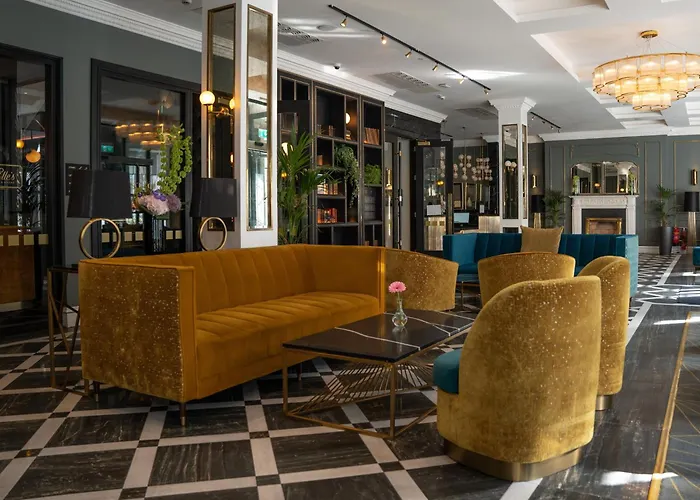
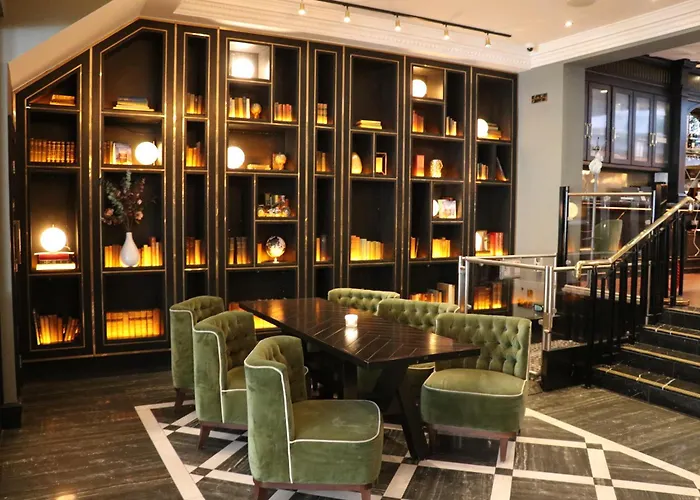
1. Iveagh Garden Hotel
Show on map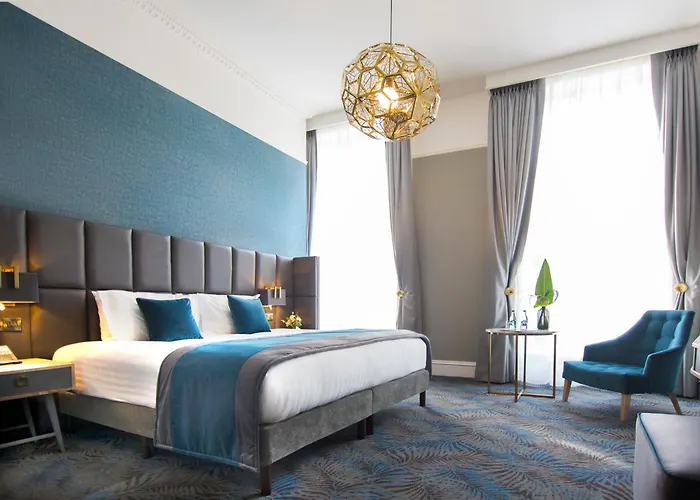
 Check-infrom 16:00 until 23:59Check-outfrom 07:00 until 12:00
Just a few rooms left at the best rate!
from€ 85
Smart Travel & Timing Advice for Dublin City Centre
Dublin City Centre pricing follows a clear seasonal curve: rates are at their lowest from January through early March, when the city is quieter and cultural venues are less crowded - this is the best window for value-driven stays if your trip dates are flexible. St. Patrick's Day weekend (17 March) triggers a sharp price spike, with many properties selling out months in advance, followed by a secondary peak in June and July when international tourist volume peaks. October sits in a sweet spot: the Dublin Theatre Festival brings cultural programming, temperatures are mild, and prices haven't yet hit the Christmas premium. For most leisure visitors, 3 nights is enough to cover the main south-side attractions on foot - Trinity College, St. Stephen's Green, Dublin Castle, and the National Gallery - without feeling rushed. Last-minute availability in Dublin City Centre drops significantly after mid-June, so for summer travel, booking at least 10 weeks out is a practical baseline. If you're travelling specifically for a concert at the National Concert Hall or an event at the RDS, staying within the D2 postcode removes all transport friction on event nights.